


Advanced Dentistry
Restoring the jawbone foundation needed for dental implants. Precision grafting techniques that rebuild bone density and support long-term oral health.

The Foundation
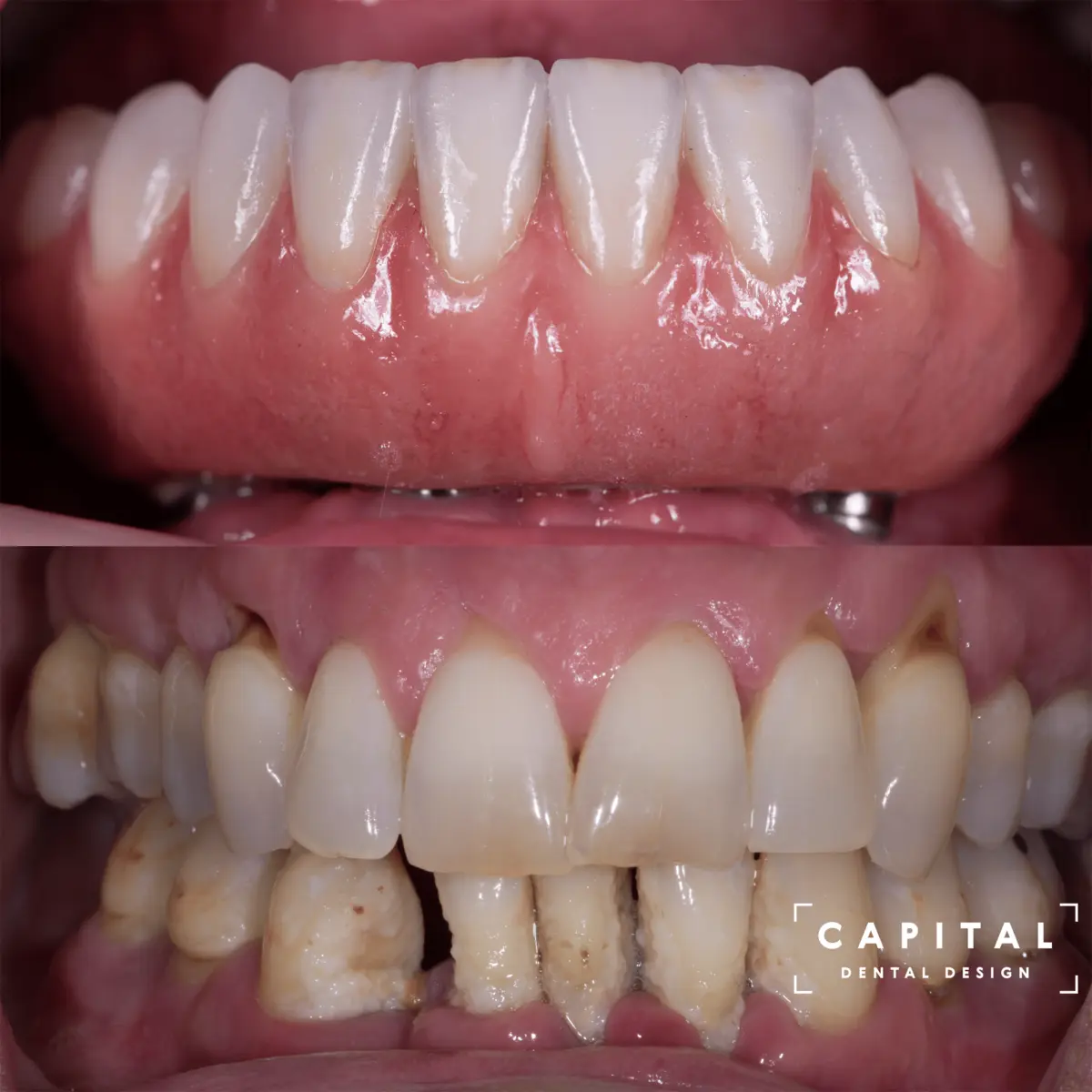
When a tooth has been missing for an extended period, the surrounding jawbone begins to deteriorate. This bone loss can make dental implant placement difficult or impossible without intervention. A dental bone graft places biocompatible grafting material into the area of bone loss, providing a scaffold for your body to regenerate new, healthy bone tissue.
At Capital Dental Design, Dr. Forbes uses advanced imaging to evaluate bone density and determine the precise grafting approach for each patient. Whether the graft material is sourced from human, animal, or synthetic origins, the goal remains the same: to restore the structural foundation necessary for successful implant placement.
Bone grafting is not a separate procedure. It is the first step in a comprehensive plan to restore your teeth, your function, and your confidence.
Why Bone Grafting
Without adequate bone density, dental implants cannot integrate properly. A bone graft ensures there is enough healthy tissue to anchor the titanium post securely. This process takes time, typically three to six months, as the graft material fuses with your natural bone. The result is a stable, dense foundation that supports long-lasting implant restoration. In some cases, socket preservation performed at the time of extraction can reduce or eliminate the need for later grafting.
Schedule a Consultation
The Process
Every step is intentional. Nothing is rushed, nothing is improvised, and nothing moves forward without your approval.
Dr. Forbes uses advanced digital imaging to assess bone density and determine the extent of bone loss. This information guides the grafting plan and ensures precise material placement.
Under local anesthesia or sedation, the grafting material is placed into the area of bone deficiency. The site is then closed and protected to allow healing to begin.
Over the next three to six months, your body gradually replaces the graft material with new, natural bone. Regular follow-up appointments monitor the healing process.
Once imaging confirms adequate bone density, the site is ready for dental implant placement. The graft has created the stable foundation necessary for long-term implant success.
Get Started
Have questions or ready to take the next step? Fill out the form below and our team will be in touch within one business day.
Why Choose This Treatment
Bone grafting restores the jawbone density required for dental implant placement, making implants possible for patients who would otherwise not qualify.
Grafting material stimulates new bone growth and halts the progressive deterioration that occurs when teeth are missing.
Jawbone loss can cause the face to appear sunken or aged. Bone grafting maintains the structural support that keeps your facial contours intact.
Modern grafting techniques use small incisions and biocompatible materials, reducing discomfort and promoting faster healing.
A properly grafted site provides a stable foundation that supports dental implants for decades with proper care.
Bone grafting is a well-established procedure with high success rates when performed by an experienced clinician using quality materials.
Your Dentist
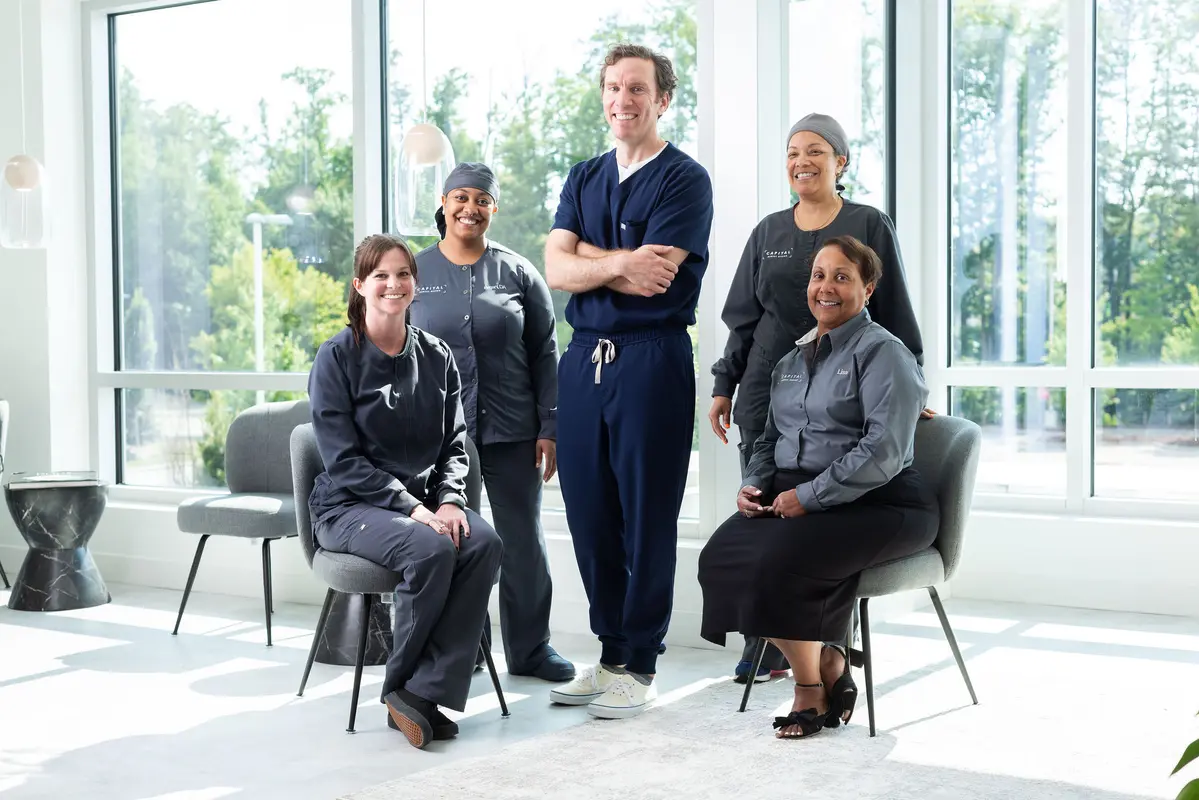
The only provider in Richmond certified in Digital Smile Design. Advanced training in cosmetic and implant dentistry. Every case receives his personal attention from consultation through final treatment. One doctor. One standard.
Meet Dr. Forbes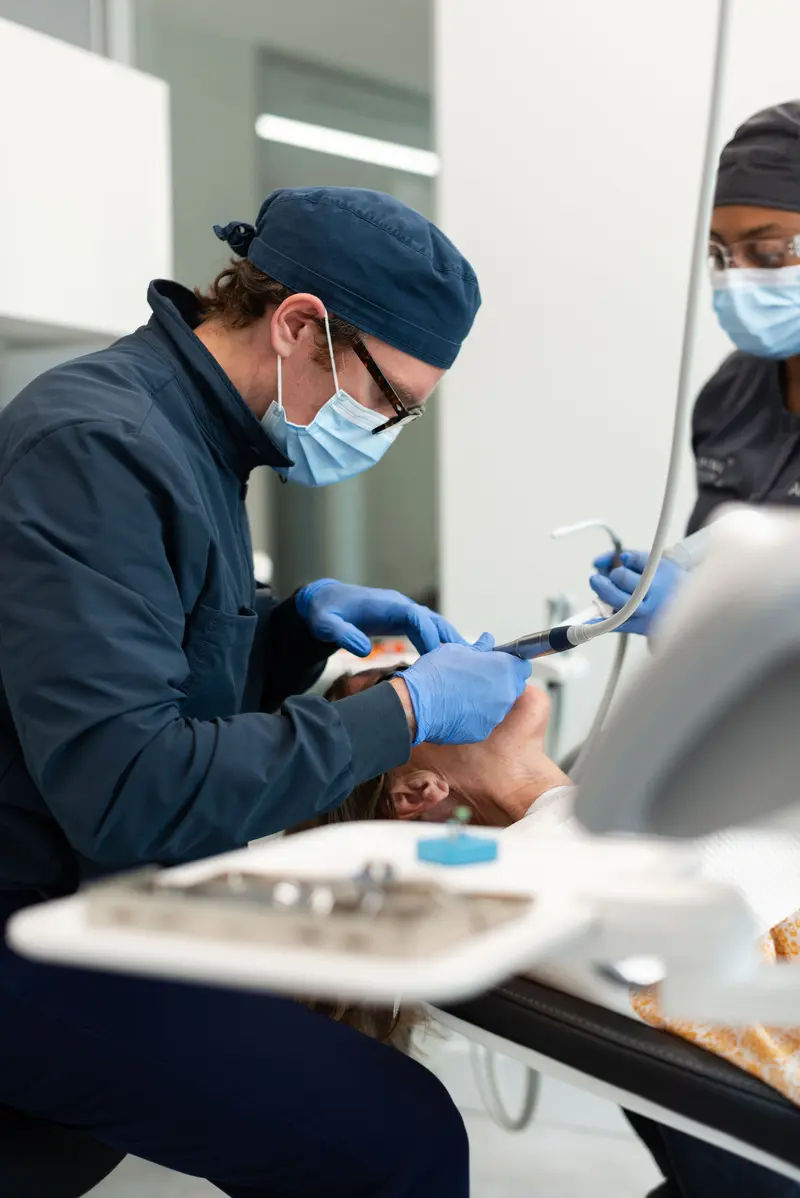
Address
6946 Forest Ave, Suite 205
Richmond, VA 23230
Phone
804.320.8894Hours
Monday – Thursday
9:00 AM – 5:00 PM

